Why a new version ten years after ISO 9001:2015?
The last major revision of ISO 9001 dates back to 2015, the year the standard introduced the risk-based approach and the common structure for management standards (the well-known HLS, or High Level Structure).
Since then, the landscape has shifted on several fronts simultaneously: digital acceleration and cybersecurity challenges, the rise of artificial intelligence in organizations, customer expectations transformed by e-commerce and omnichannel experiences, and the climate emergency, now integrated into quality policies via the February 2024 A1 amendment.
A systematic review of the standard in 2021 had concluded that a revision was not yet necessary.
The subject has clearly been reopened since then, with an initial international working meeting at the end of 2023, as noted by AFNOR in its article on the drafting of the new ISO 9001 standard.
Key changes in ISO 9001:2026
No structural break, but substantial adjustments
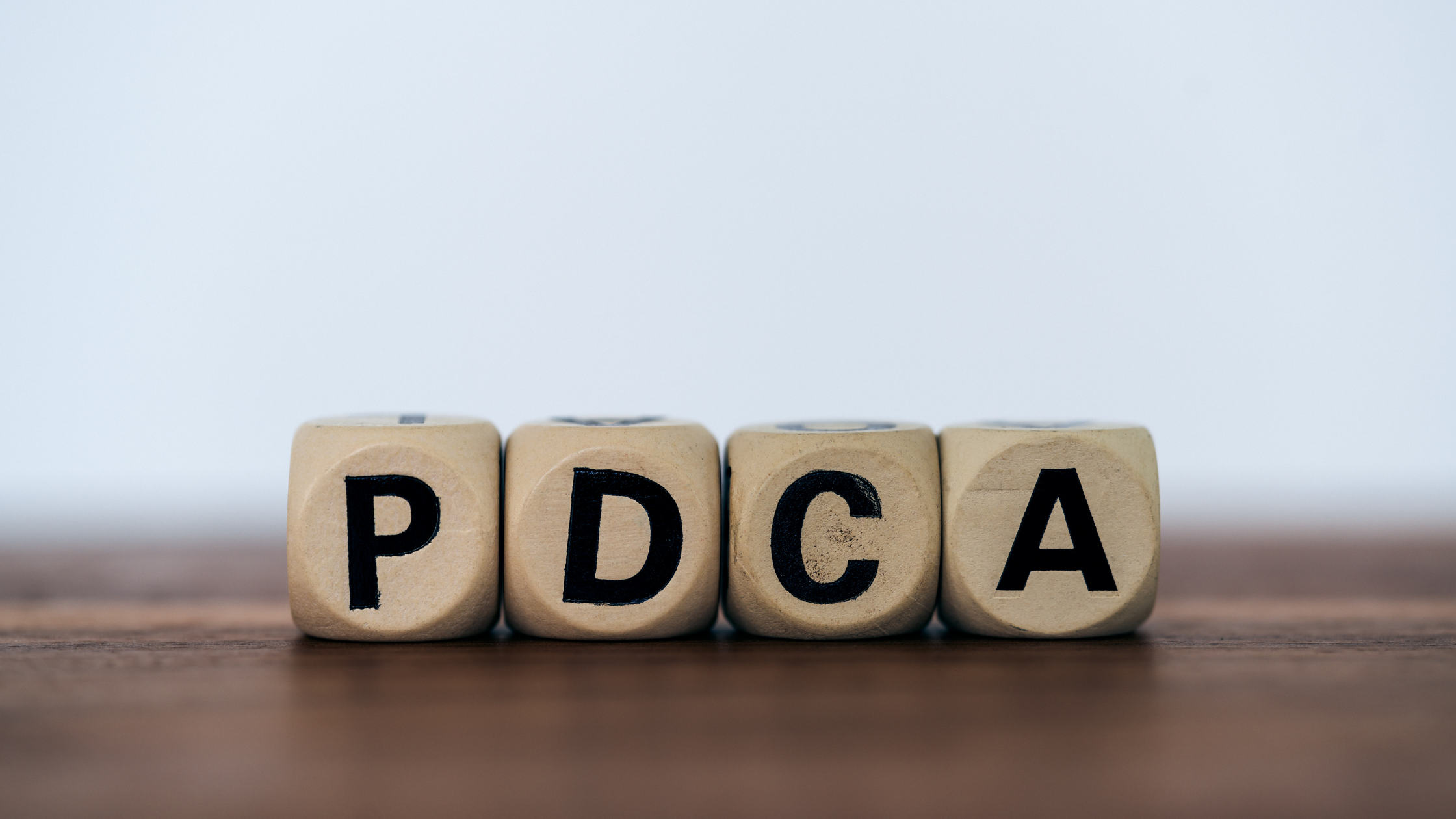
First, a point to clarify that avoids many unfounded concerns: the experts involved in the revision are unanimous—this is not a major overhaul comparable to the transition from 2008 to 2015. The harmonized structure, the objective, and the scope of the standard remain unchanged, as do the foundations of the PDCA (Plan-Do-Check-Act) logic. ISO 9001:2026 represents a gradual evolution rather than a revolution.
The definitive integration of climate change
This is arguably the most concrete change for already certified companies: the requirements of the February 2024 climate amendment A1, previously treated as an addendum, are now integrated into the body of the revised standard itself. Organizations must explicitly determine how climate change affects their business and incorporate it into their context analysis. This is an exercise that has been included in certification audits since 2024, but it now becomes a full-fledged normative requirement rather than a peripheral addition.
A clearer distinction between risks and opportunities
The new version refines the risk-based approach inherited from 2015 by more clearly separating the identification of risks from that of opportunities. The stated goal is not to require an exhaustive anticipation of every possible scenario, but to enable the organization to identify truly significant risks, scale its actions proportionately, and make the risks it knowingly chooses to accept visible. Regarding opportunities, the standard encourages more proactive identification (new technologies, new partnerships, new products) rather than a purely defensive stance.
A quality culture driven by leadership commitment
The revision emphasizes team mobilization and management commitment to a shared quality culture, rather than focusing solely on documentary compliance. The needs and expectations of interested parties must also be systematically re-examined during management reviews, which strengthens the strategic steering of the QMS beyond strict adherence to procedures.
Accounting for new technologies and organizational knowledge
Without disrupting the text, the new version opens the door to the progressive integration of artificial intelligence and automation into quality management systems, while calling for vigilance regarding the associated ethical risks. It also places greater importance on preserving organizational knowledge—a direct challenge in a context of increased professional mobility—as well as on protecting documented information in digital environments.
Better harmonization with ISO 14001 and ISO 45001
The final structural pillar: the new version consolidates alignment withISO 14001 (environment, already published in April 2026) and ISO 45001 (health and safety, expected in 2027), thanks to a more shared structure and vocabulary.
This is good news for companies already committed to an integrated QSE approach, as they will be able to capitalize on common documentation bridges rather than managing three standards in silos. Still deciding between the two approaches, quality and QHSE? Our article QHSE software vs. quality software: what's the difference and how to choose in 2026 takes stock.
What this means in practice for your QMS
Translated into action, these priorities mean revisiting several components of your quality system:
- Context analysis : explicitly document the impact of climate change on your business, rather than treating it as an afterthought.
- Risk and opportunity mapping : clearly separate the two logics in your tracking tools, with a defined prioritization of accepted risks.
- Management review : include a recurring agenda item on the evolving expectations of interested parties.
- Document control : ensure your digital tools guarantee the protection of documented information, which is now a key regulatory focus.
- Knowledge management : formalize how critical expertise is preserved and shared within the organization.
Transition plan: where to start?
- Conduct a gap analysis between your current QMS and the expected changes, without waiting for the final text to be published.
- Prioritize projects based on the scale of the identified gap and its criticality to your business.
- Train your teams on new concepts (quality culture, distinguishing between risks and opportunities, knowledge lifecycle).
- Update your documentation system as you go, rather than in a single push after publication.
- Schedule a mock audit once the final version is available, before transitioning your certification audit to the new standard.
Once the standard is published, a three-year transition period will begin: surveillance and recertification audits will remain possible based on ISO 9001:2015 until the end of this period, before an automatic switch to the 2026 version. Wondering why you should invest in triple certification rather than a single standard? Our article on the benefits of ISO 9001, ISO 14001, and ISO 45001 certification details the concrete advantages of this integrated approach.
The role of QHSE software in the transition
Evolving a QMS is about more than just rewriting a quality manual: it involves tracking gaps, documenting corrective actions, centralizing documentation, and methodically preparing for the transition audit. The Symalean Quality module allows you to centralize this process (process mapping, tracking non-conformities and actions, version-controlled document management) so you can handle the shift to ISO 9001:2026 without having to rebuild your system from scratch.
Sources :
- AFNOR, "ISO 9001:2026 version: public consultation now open", https://www.afnor.org/actualites/qualite/iso-9001-version-2026-place-a-l-enquete-publique/
- AFNOR, "ISO 9001 and ISO 14001: an update on the latest version", https://www.afnor.org/decryptages/protection-environnement/iso-9001-et-iso-14001-le-point-sur-la-derniere-version/
- AFNOR, "Quality: help draft the new ISO 9001", https://www.afnor.org/actualites/qualite/redaction-nouvelle-norme-iso-9001/
- ISO, official standard page (to be consulted upon publication), https://www.iso.org