What the INRS is already seeing in the field
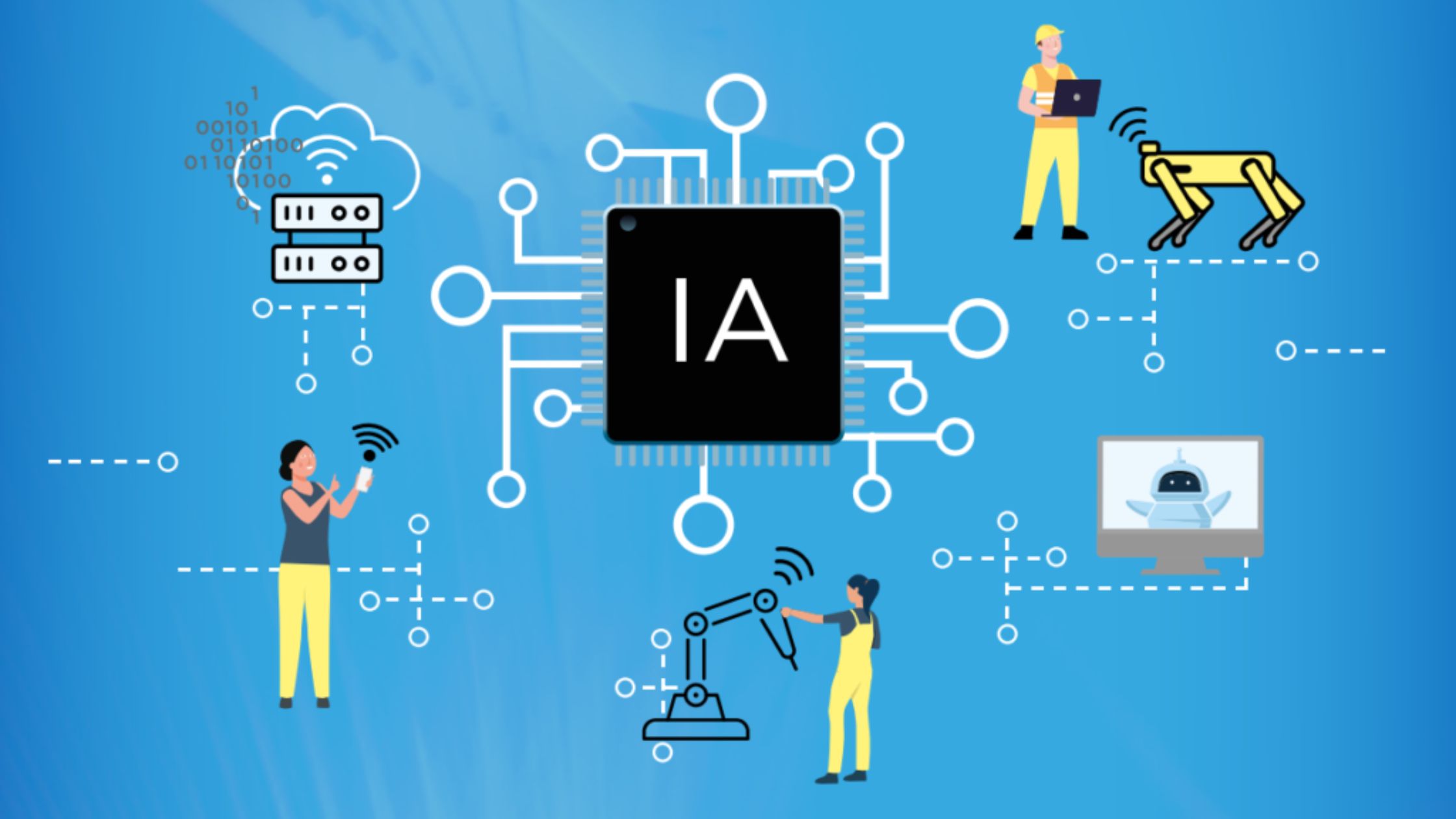
The institute starts with a prevention principle well-known to every QHSE manager, "taking into account the state of technical progress", and notes that this is becoming harder to uphold as the pace of innovation accelerates. Three categories of AI applications are already considered mature enough to warrant close monitoring by safety professionals.
Leveraging accident data
Natural language processing tools now make it possible to utilize data that was previously difficult to analyze: workplace accident reports, feedback databases, machine malfunction logs, and QSE surveys. Data already collected within a QHSE system (non-conformities, near-misses, corrective actions) thus becomes a genuine prevention asset, provided it is centralized and structured rather than scattered across spreadsheets and paper forms.
Connected monitoring of environments and workers
Cameras that detect hazardous situations and connected PPE that measures heart rate or joint positioning: these devices can reduce accident rates, particularly for groups with less training in safety protocols, such as temporary staff or new hires. The INRS is categorical on a point too often overlooked in companies: these tools are not safety systems and in no way replace the risk assessment process, which remains a documented requirement.
Advanced robotics: teleoperation and human-robot collaboration
The third use case studied concerns teleoperation and collaborative robotics, which allow operators to be kept away from dangerous tasks or heavy loads. The INRS warns against a potential deskilling of operators and a loss of meaning in their work if the integration of these tools is not accompanied by prior collective reflection, which points directly to the impact assessment that any automation project should incorporate from the outset.
The real risk is the documentation blind spot
The INRS describes a trap it calls the "complacency effect": the apparent ease of use of AI solutions can lead stakeholders to consider only the risks identified by the machine, at the expense of regular assessment of organizational risks that escape all technological monitoring. An intelligent tool that provides reassurance can therefore, paradoxically, lower documentation vigilance at the very moment it becomes most necessary.
The institute also points out that workplace accidents often occur during atypical situations (breakdowns, maintenance operations, degraded conditions), which are rarely well-represented in AI system training data. The more AI tools a company introduces into its work environments, the more it needs a QHSE system capable of tracking what the machine cannot see: deviations, degraded situations, and human adjustments made outside of planned scenarios.
What this means for your risk assessment document (DUERP) and action plan
Three INRS recommendations translate directly into QHSE practices that should be formalized now, even before the AI Act imposes its own transparency deadlines.
Document every introduction of an AI tool as a change in working conditions
The INRS recommends train prevention stakeholders (employers, employee representatives, and safety officers) on how these tools work, their limitations, and the regulatory framework that governs them. In practical terms, this begins by documenting every introduction of an AI tool that changes work organization in the single risk assessment document (DUERP), with the same rigor applied to a change in job role or process. A centralized DUERP, updated continuously rather than once a year, makes this task manageable instead of a dreaded annual project.
Maintain traceability of what AI cannot see
Training datasets structurally underrepresent atypical situations. Human vigilance therefore remains the best source of information regarding these blind spots. A QHSE action plan that centralizes field reports, non-conformities, and corrective actions directly complements the automated detection systems mentioned by the INRS and provides the documented proof that an auditor or inspector will require in the event of an incident.
Anticipate the regulatory framework rather than reacting to it
The INRS calls for advocating for occupational health and safety principles within the bodies that develop standards and regulations for AI, particularly the AI Act. For a company, this means having up-to-date regulatory monitoring and a system capable of quickly absorbing new requirements, such as the transparency obligations set out in Article 50 of the AI Act effective August 2, 2026, without having to rewrite all its QHSE documentation in a rush.