The figure speaks for itself : according to BDO, 73% of companies still manage their workplace accidents and occupational diseases using Excel ; an accessible and versatile tool, but one that was never designed to handle data as complex and sensitive as that related to occupational health and safety.
Integrating QHSE features into existing ERPs and fostering a collaborative management system is therefore becoming a priority for organizations that want to break free from this spreadsheet dependency, along with the risks of error and data loss that it entails.
What a certification process requires
To implement a certification (ISO 9001, ISO 14001, ISO 45001, etc.), an organization must generally hire a QSE manager and create documentation for every process, as well as the company's procedures and operating methods. You should allow for about six months of work to achieve this.
It must then create all the performance tracking tools: non-conformity tracking files, audit tracking files, indicators, and so on. It is precisely at this stage that the proliferation of Excel files begins to show its limitations ; each new process adds another file that must be manually synchronized with the others.
The benefits of mobilizing your management system
The other benefit of digitalization is, of course, the ability to carry your management system on your smartphone and tablet. You can consult your management system's data and performance in real time, from any connected location. If the business owner is often considered the pilot of the plane, then this pilot can now access their dashboard even when they are not physically in the cockpit.
What has changed since the early days of QHSE digitalization
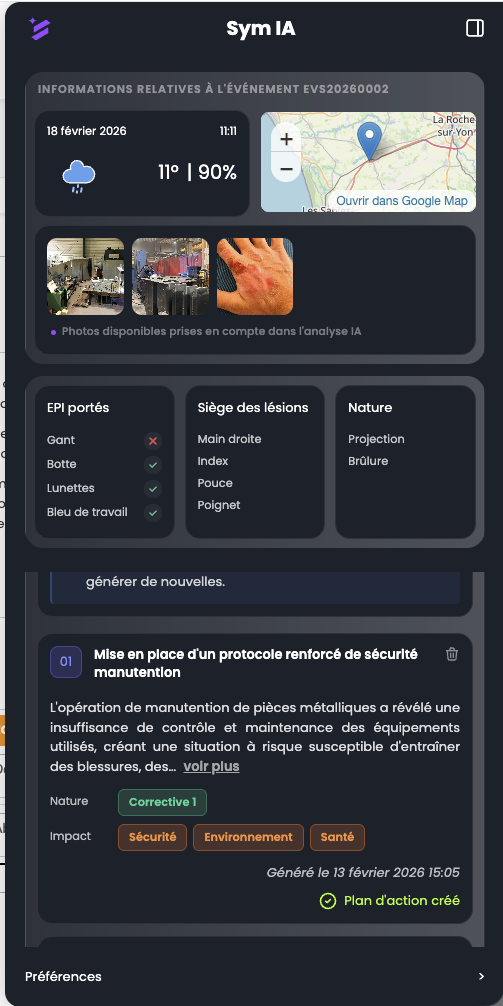
Since the first generations of QHSE tools, digitalization has taken another step forward : artificial intelligence now acts as an assistant, not as an automated system that makes decisions for teams. For example, it can simplify the entry of non-conformities, detect recurring causes in incident history, or facilitate regulatory monitoring in the face of constantly evolving standards : ISO 14001 was revised in April 2026, and the revision of ISO 9001 is expected in the autumn of the same year. In such a shifting regulatory landscape, a management system that remains on Excel becomes particularly difficult to keep up to date.